
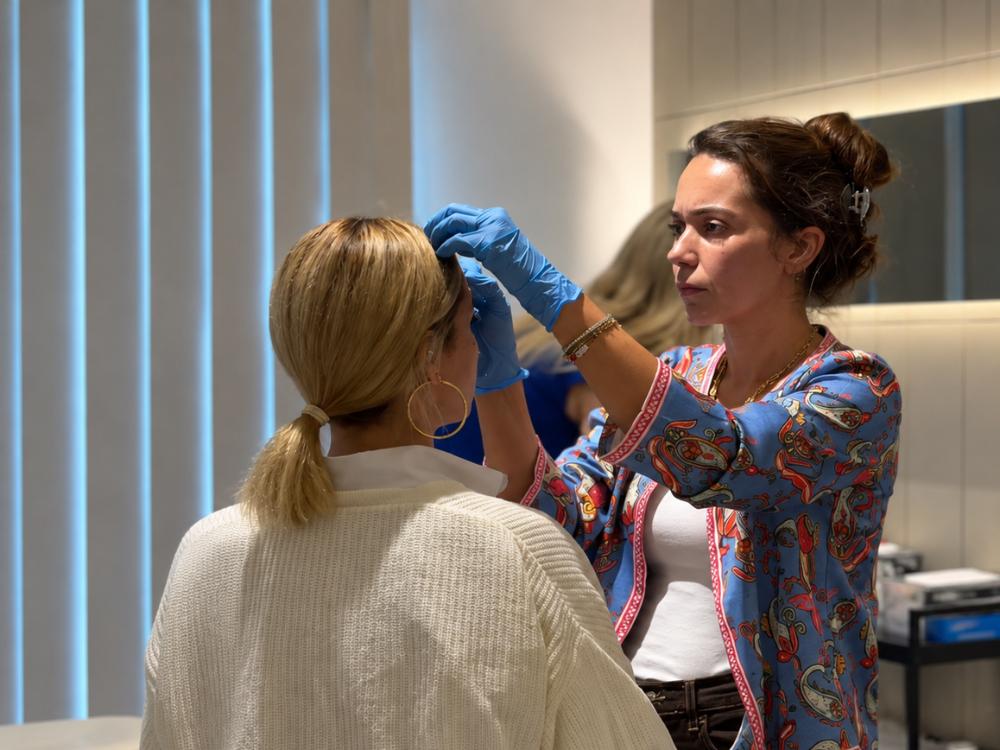
Factors Affecting Botox Prices: How Is Cost Determined?
Botox (botulinum toxin) injections are among the most frequently preferred procedures in medical aesthetics. One of the first variables patients encounter while researching treatment is the broad range of pricing. Because Botox is a medical procedure, its cost is shaped not merely by the target area, but by critical factors directly linked to patient safety, including product authenticity, physician expertise, and clinical standards.
Key Criteria Determining Botox Treatment Pricing
1. Product Authenticity and Cold-Chain Protocols
Botulinum toxin is a delicate biological protein that requires strict adherence to cold-chain storage (2-8°C) from manufacturing through injection. Licensed and certified formulations carry different baseline costs compared to unauthorized or improperly stored products. Unlicensed substances carry significant risks, such as allergic reactions, unintended toxin diffusion, or lack of clinical efficacy.
2. Units Administered and Individual Muscle Anatomy
Although treatments are often marketed per region, the primary determinant of cost is the total number of units required. Every patient presents distinct facial muscle strength, mass, and wrinkle depth. For instance, masseter Botox for jaw slimming or teeth grinding demands considerably more units than treating subtle crow's feet. Furthermore, male facial muscle density is typically greater, requiring adjusted dosage plans.
3. Breadth of Treatment Area and Combination Protocols
Pricing varies depending on whether treatment addresses an isolated area (such as glabella frown lines or forehead lines) or a comprehensive facial balance protocol, including gummy smile correction, neck banding (Nefertiti lift), or bruxism relief.
4. Physician Expertise and Anatomical Mastery
The human face features an intricate network of blood vessels and motor nerves. Administering injections at the precise tissue depth, correct angle, and accurate muscle fiber minimizes risks such as ptosis (drooping eyelid), facial asymmetry, or an unnatural frozen expression. A physician's clinical mastery is the primary safeguard of natural, predictable outcomes.
5. Clinical Hygiene and Regulatory Standards
Strict sterilization protocols, regulatory licensing, and emergency medical readiness represent indispensable operational standards that safeguard the patient throughout the medical journey.
Medical Disclaimer: In accordance with medical regulations, exact treatment pricing cannot be established online without an examination. Your customized dosage and treatment strategy are determined following an in-person anatomical assessment by a qualified physician.
Frequently Asked Questions
Why do Botox prices vary significantly between clinics?
The use of health authority-certified authentic formulations, cold-chain preservation integrity, personalized unit requirements, and the injector's medical expertise are the primary factors shaping pricing.
What are the risks of low-cost Botox injections?
Heavily diluted or improperly stored products may lead to extremely brief longevity, lack of clinical efficacy, asymmetrical results, and complications such as ptosis (drooping eyelid).
How do I know how many units of Botox I need?
The exact unit dosage is evaluated during an anatomical examination based on your facial muscle mass, wrinkle depth, and expression dynamics.
Schedule Your Personalized Consultation
To receive a personalized anatomical assessment and discover the safest approach for your facial harmony, schedule an appointment with our clinic.
Book a Consultation →How to Choose a Reliable Medical Aesthetics Clinic
With growing interest in non-surgical facial treatments, numerous clinics and practitioners offer aesthetic services. However, injections such as fillers, Botox, and mesotherapy are not casual beauty treatments; they are medical procedures involving subdermal tissues. When choosing where to entrust your health and appearance, consider these fundamental criteria:
5 Essential Standards for Choosing a Clinic
1. Official Health Ministry Licensing and Regulatory Compliance
Medical aesthetic procedures must legally take place inside authorized clinics, medical centers, or hospitals. Injections performed inside beauty salons or unlicensed establishments are unauthorized and hazardous. Verify that the facility operates under recognized health authority licenses.
2. Treatment Performed Exclusively by a Medical Doctor
Individuals marketing themselves under ambiguous titles like "aesthetician" or "beauty specialist" without a medical degree are not legally or clinically qualified to administer injectable treatments. Always confirm that your injector is a licensed medical doctor.
3. Product Transparency and Serial Traceability
Reputable medical clinics maintain complete openness regarding the products they use. The product packaging should be unsealed in your presence, expiration dates verified, and the medical batch barcode/serial number registered to your patient file and shared with you.
4. Personalized Anatomical Consultation
Be cautious of centers that promote identical lip templates or standardized injection maps. A reputable physician conducts a thorough evaluation of your facial proportions, dynamic expressions, skin thickness, and medical background to maintain harmonic, natural balance.
5. Complication Management and Post-Procedure Follow-Up
While uncommon, adverse events such as vascular compromise, severe swelling, or asymmetry require prompt clinical intervention (such as hyaluronidase reversal). Only medical doctors possess the clinical training to manage these complications. A trusted clinic schedules control reviews and remains accessible throughout recovery.
Frequently Asked Questions
Can beauty salons legally administer Botox and dermal fillers?
No. By health regulations, all injectable aesthetic procedures must strictly be performed by licensed medical doctors inside registered clinics or hospitals.
Do I have the right to inspect the product packaging before injection?
Absolutely. A reputable clinic will unseal the product in your presence, check the expiration date, and provide the serial/barcode documentation for your records.
What happens if a complication occurs post-treatment?
Only medical doctors possess the clinical training to manage complications such as vascular events or severe swelling. Ensure your provider offers dedicated follow-up care and emergency accessibility.
Doctor-Led Medical Aesthetic Care
Prioritize clinical safety and authentic certified treatments. Contact us today to schedule your in-depth medical evaluation.
Book a Consultation →Who Is a Good Candidate for Lip Fillers? (Eligibility & Natural Approach)
The lips are a primary focal point of facial vitality and expression. Lip filler treatments are not simply intended to increase size; they restore lost volume, refine vermilion borders, and balance natural facial asymmetries.
Ideal Candidates for Lip Fillers
1. Individuals Experiencing Age-Related Volume Loss
As part of the natural aging process, hyaluronic acid and collagen stores within lip tissues deplete. This causes the lips to thin inward and the oral commissures (mouth corners) to turn downward. Targeted dermal filler restores hydration, structural cushion, and youthful contour.
2. Genetically Thin Lip Anatomy
For patients born with very delicate or narrow lips, dermal fillers enhance volume while respecting the natural balance between the chin, nose, and cheeks. The objective is to achieve proportion without creating projection errors or an unnatural appearance.
3. Asymmetry and Border Irregularities
Dermal fillers can correct uneven volume during dynamic smile movements, restore the classic golden ratio between upper and lower lips (ideally around 1:1.618), and redefine a faded Cupid's bow.
4. Perioral Fine Lines (Smoker's Lines / Lipstick Bleed Lines)
Vertical lines around the mouth develop from repetitive muscle movements and dehydration. Soft, cohesive hyaluronic acid formulations smooth these creases while re-establishing moisture retention in the perioral zone.
5. Patients Seeking Safe, Reversible Outcomes
High-quality lip fillers utilize hyaluronic acid, a substance naturally present in human tissue. Should any adjustment or emergency intervention be required, it can be dissolved within minutes using the hyaluronidase enzyme, offering safety and peace of mind.
Who Should Avoid Lip Fillers? (Contraindications)
- Patients with active cold sores (herpes simplex) or localized skin infections,
- Pregnant or breastfeeding women,
- Individuals with uncontrolled autoimmune disorders,
- Anyone with a documented hypersensitivity to hyaluronic acid formulations.
Frequently Asked Questions
Will lip fillers look overdone or unnatural?
When placed in the correct anatomical layer by a skilled doctor using dynamic micro-injections, lip filler integrates smoothly with the tissues, ensuring natural movement without excessive projection.
Can lip fillers be reversed if I am unsatisfied?
Yes. Hyaluronic acid fillers can be safely and completely dissolved within minutes using the hyaluronidase enzyme if an adjustment is ever needed.
How long do lip filler results typically last?
Results generally last between 9 and 15 months, depending on individual metabolic rate, muscular activity, and the rheological density of the filler used.
Consultation for Natural Lip Enhancement
Learn more about subtle, proportioned lip contouring tailored to your facial proportions. Contact our team to book your consultation.
Book a Consultation →